What we are building, and what it takes
Three programs, one barn, and a list of what has to be true before each next step. Here is what is open, what is in development and what is not yet. Costs are published only when we can stand behind them.
Projects
Each project lists what it is, what it needs and where it stands. A funding meter appears only once there are verified records behind it. If a project is not here, it is not yet real enough to ask for money.
Free sessions this season (open)
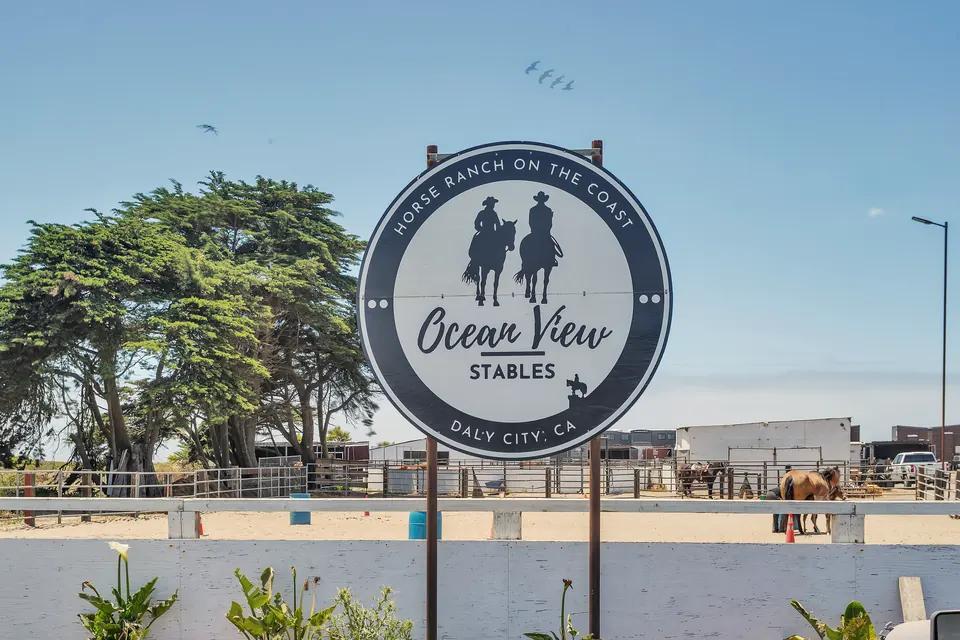
Mavericks for at-promise young people and Heroes and Horses for veterans, each twice a month at Ocean View Stables in Daly City, right next to Thornton Beach Vista. Need: keep every session free and fully staffed. What funding pays for: the staff time, materials, insurance and safety work behind each session. Status: open since October 2026. Budget: the cost per session will be published after the first full quarter of records. Give: a gift on the giving page, or sponsor a session.
Weekly Heroes and Horses (in development)
Moving the veterans program from twice a month to every week. Need: steady funding for the extra sessions and a volunteer roster to match. Status: in development, not yet open. Budget: not yet set; it will be published with the opening date.
The Long Ride Home, a veterans partnership pilot (in development)
Twelve weeks with horses for one cohort of ten veterans, from the first halter to a weekend on horseback, built with a licensed clinical partner who provides a therapist at every session. Need: the full pilot cohort funded before it starts. What funding pays for: each veteran's place, from intake to graduation. Status: in development, planned for spring 2027. Budget: $2,500 per veteran, $25,000 for the cohort. About the pilot.
Eight-week youth cohort (in development)
A longer Mavericks format: the same small group for eight weeks, with a responsible adult present every time. Need: staffing for the full run and the materials a cohort uses. Status: in development. Budget: not yet set.
R&R prerequisites (not yet)
No horse is in our care and intake is not open. Four things come first: veterinary and farrier cover on call, a space to settle where a new arrival can be kept separate and watched, a written intake standard, and funding that lasts, because a horse needs a decade or more of care. Status: none of the four is in place yet. Budget: not yet set. Sponsoring a horse is not open; when it opens, it will mean supporting a horse's care, never ownership. The rescue plan.
Training and safety (ongoing)
Background checks, mandated reporter training, horse handling training, safety gear and insurance. These costs come before results and return every year. Status: ongoing. Give: ask about a training and safety sponsorship.
How project gifts are handled
Plain rules, written down before the first project gift arrives.
Designated gifts are restricted
If you direct a gift to a project, we record it as restricted and spend it only on that project. The giving page lets you choose where a gift goes. "Where it is needed most" is the default, and it is the most useful kind of gift for a new charity.
If a project is under-funded
The money waits, still restricted, until the project can go ahead. If it cannot go ahead within a year, we come back to you before moving anything to the closest similar purpose.
If a project is over-funded or cancelled
We tell you, and the surplus goes to the next most similar need unless you ask us to do something else. Larger gifts get a conversation first, not a notice afterwards.
Funding meters
We show a progress figure only when it comes from our payment records. No rounded-up totals, no counting pledges as cash.
What we will publish
Sessions delivered and cancelled, people served, and where the money went, once there is a completed year to report. Until then, this page says what is open, what is in development and what is not yet. The Work Ahead explains how we measure.
Who you will talk to
Zac Leyden, Chief Revenue Officer. [email protected] or (650) 763-2429. Saved by the Saddle is a 501(c)(3) public charity, EIN 41-3846131.
Ask about funding a project
Tell us which project and what you have in mind. We reply within two business days, in writing, with what it would cover and how we would report back. Nothing is charged until you choose to give. Please do not include details about young people or participants.
We reply within two business days, in writing.
Please note: we never ask partners to share information about young people or participants through this form.
Help build it properly.
Gifts fund free sessions, the training and safety work behind them, and the groundwork for a rescue program done right.

Healing horses. Healing people. Creating second chances.
2152 Olympic Way
Daly City, CA 94015
Saved by the Saddle is a California nonprofit public benefit corporation organized for charitable and educational purposes under Section 501(c)(3) of the Internal Revenue Code, EIN 41-3846131. It is a separate legal entity from Ocean View Stables, a privately owned business, and operates at Ocean View Stables under a written facilities agreement. Donations to Saved by the Saddle fund its charitable programs only and are not used to support or improve the private business.
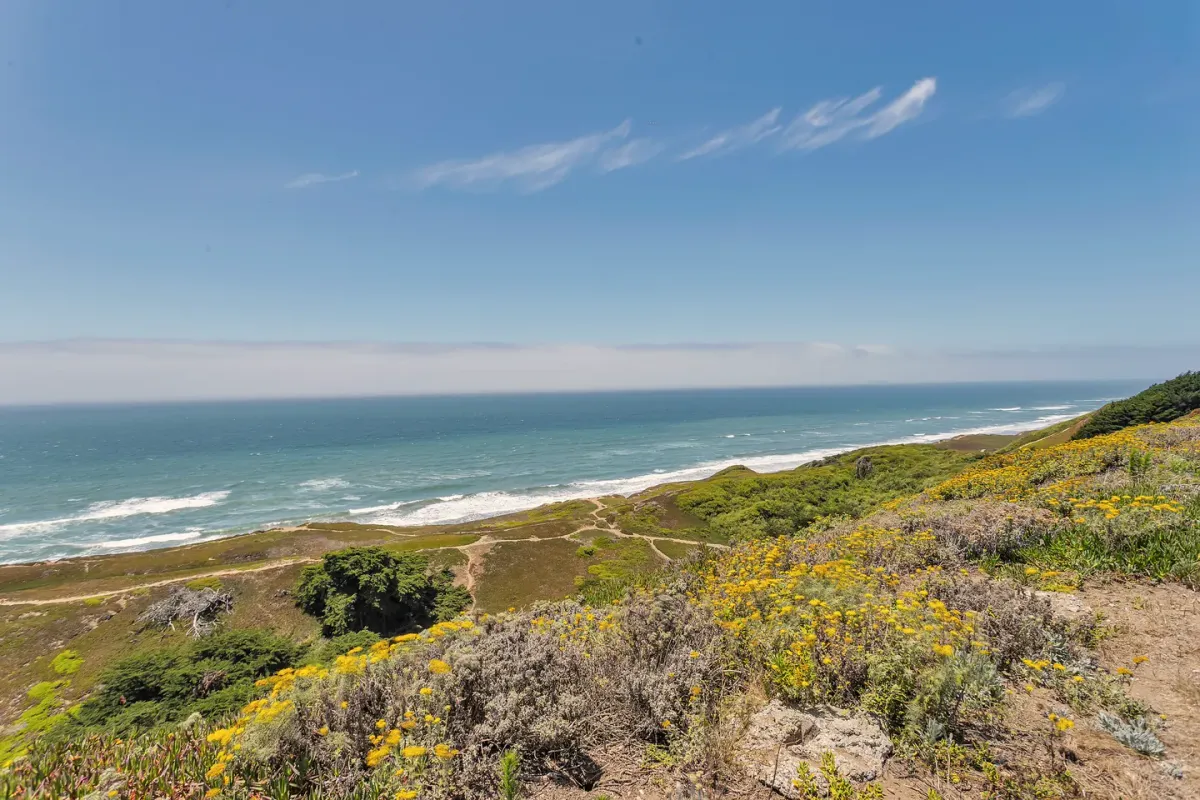
Photographs show Ocean View Stables in Daly City and the horses that live there.
Safety and ethics Report a concern Privacy and cookies Terms of Service
Copyright 2026 Saved by the Saddle.