
The Long Ride Home
Twelve weeks with horses at Ocean View Stables, from the first halter to a weekend on horseback, with a licensed therapist from our clinical partner at every session. A free pilot for one cohort of ten veterans, planned for spring 2027.
Horsemen teach. Therapists hold the clinical space.
The Long Ride Home is our first program built with a licensed clinical partner, a mental health provider that already serves veterans and their families. Saved by the Saddle brings the program, the horses and the horsemen at Ocean View Stables. Our partner brings licensed therapists, clinical intake and referrals. Each does what it does best, and nobody is asked to do the other's job.
The horsemanship is the Leyden Horsemanship method we teach every day: understand the horse first, then work with it on the ground, then ride. Each phase is earned before the next.
Before the start Week 0
Barn tour and safety basics. Written consent, clinical intake and screening with our partner's team.
Ground Weeks 1 to 4
How horses think, grooming, haltering, leading and natural horsemanship groundwork.
Clinical focus: trust, regulation and weekly check-ins
Saddle Weeks 5 to 9
Tack and mounting, seat and balance, walk and trot, steering, arena patterns and first trail obstacles.
Clinical focus: confidence, setbacks and goals
Trail Weeks 10 to 12
Longer trail rides, horse care and camp skills, then a capstone weekend camping with the horses, with rides to a lake and out to a waterfall.
Clinical focus: transition and peer support
Three months on Follow-up
An alumni ride at the barn and a follow-up session with the therapist.
Saved by the Saddle
- Runs the program and the curriculum
- Horses matched to each rider, and horsemen, through Ocean View Stables
- Schedule, waivers and logistics
- Writes the outcome report with our partner
Our clinical partner
- A licensed clinical lead, and a therapist at every session
- Clinical intake, screening and individual plans
- Refers eligible veterans
- Supplies the wearables and holds all health data
$2,500 funds one veteran's place, from intake to graduation. $25,000 funds the full pilot cohort of ten.
Sponsors receive written reports at the midpoint and the end, an invitation to a session and to graduation, and stories you can share, always with the veteran's consent.
We will name our clinical partner here once our partnership agreement is signed.
Twelve weeks, week by week
Each session runs three hours at Ocean View Stables, with a therapist from our clinical partner present throughout. Veterans work in small groups, with a horseman for every three and several horses, so they learn to read different personalities.
| Week | Phase | Classroom | With the horses |
|---|---|---|---|
| 0 | Start | Welcome, consent and clinical intake with our partner's team. | Barn tour, meeting the herd and safety basics. |
| 1 | Ground | Welcome and safety. How a horse sees, hears and thinks; herd behavior. | Meet the herd, approach and greet, grooming and picking feet. |
| 2 | Ground | Body language and personal space; reading ears, eyes and posture. | Haltering, leading, stopping and backing; respecting the handler's space. |
| 3 | Ground | Natural horsemanship: pressure and release, timing and consistency. | Yielding the hindquarters and forehand, sending on a circle, desensitizing. |
| 4 | Ground | Leadership through calm and clarity. | Ground obstacle course (tarp, poles, gate). Phase 1 skills check. |
| 5 | Saddle | Tack: saddle, bridle, fit and safety checks. | Tacking up, mounting and dismounting, first rides at the walk. |
| 6 | Saddle | Seat and balance; the basics of good equitation. | Position at the walk, steering, halting and the emergency stop. |
| 7 | Saddle | The aids: seat, legs and hands working together. | Walk to trot transitions, posting trot, arena patterns. |
| 8 | Saddle | Rhythm, focus and riding with intent. | Patterns, figure eights, first trail obstacles from the saddle. |
| 9 | Saddle | Trail safety, terrain and riding in a group. | Obstacles, gates on horseback, a short trail ride. Phase 2 skills check. |
| 10 | Trail | Horse care on the trail: water, hooves and tack checks. | A longer trail ride over hills and varied footing, riding as a group. |
| 11 | Trail | Camp prep: packing, horse camp, highlines and weather. | Full rehearsal ride, packing and camp skills, capstone briefing. |
| 12 | Trail | Capstone weekend. Two nights of camping with the horses, long rides to and around a lake and out to a waterfall, great food, and graduation back at the barn. | |
| +3 mo | Alumni | A follow-up session with the therapist and a follow-up survey. | An alumni ride at the barn. |
Same rhythm every week
| 0:00 to 0:20 | Coffee and a check-in circle led by the therapist |
| 0:20 to 0:45 | Classroom: the week's lesson, with a live demo |
| 0:45 to 2:15 | Hands-on stations: groundwork, riding, horse care, with the therapist present |
| 2:15 to 2:40 | Untack, groom and turn out together |
| 2:40 to 3:00 | Group reflection with the therapist |
Friday to Sunday on the trail
| Friday | Load out, set up horse camp, settling ride, welcome dinner and campfire |
| Saturday | Long ride out to the lake and around it, lunch on the trail, cookout at camp |
| Sunday | Ride to the waterfall, break camp, graduation and certificates at the barn |
What we measure, and who holds it
Every veteran gives written informed consent first. With it, participants wear a health tracker from day one to three months after graduation, for sleep, activity, resting heart rate and heart rate variability, and take surveys chosen by our partner's clinical lead at the start, midpoint, graduation and three months on.
Health data stays with our clinical partner; Saved by the Saddle sees only results with names removed. Ten veterans is a pilot: the results will show direction, not proof.
Helmets for all mounted work, horses matched to each rider, a horseman for every three veterans, and first-aid trained staff at every session and on the trail.
Fund a place, or ask about one
Sponsors: book a 30-minute briefing with Zac Leyden on the program, the budget and how we report outcomes. Prefer to see it in person? Say so in the notes and we will show you the barn.
Veterans: places come through referral, with enrollment agreed by both partners. To be considered, or to hear when referrals open, write to [email protected].
Saved by the Saddle teaches horsemanship and does not provide therapy. Clinical care in The Long Ride Home is provided by our partner's licensed clinicians, and we do not promise clinical results. Saved by the Saddle is a 501(c)(3) public charity, EIN 41-3846131. Gifts are tax-deductible as allowed by law.
Help build it properly.
Gifts fund free sessions, the training and safety work behind them, and the groundwork for a rescue program done right.

Healing horses. Healing people. Creating second chances.
2152 Olympic Way
Daly City, CA 94015
Saved by the Saddle is a California nonprofit public benefit corporation organized for charitable and educational purposes under Section 501(c)(3) of the Internal Revenue Code, EIN 41-3846131. It is a separate legal entity from Ocean View Stables, a privately owned business, and operates at Ocean View Stables under a written facilities agreement. Donations to Saved by the Saddle fund its charitable programs only and are not used to support or improve the private business.
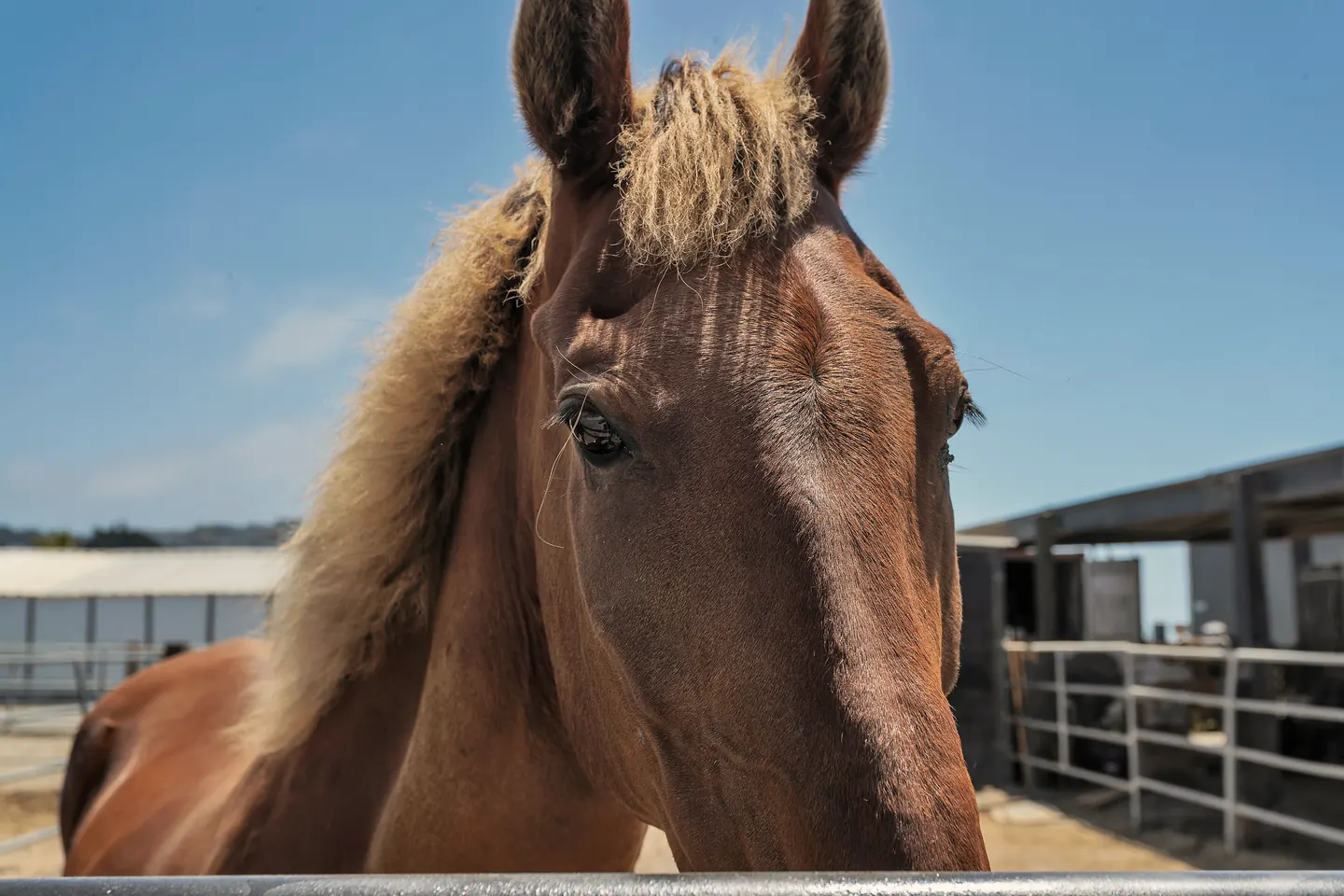
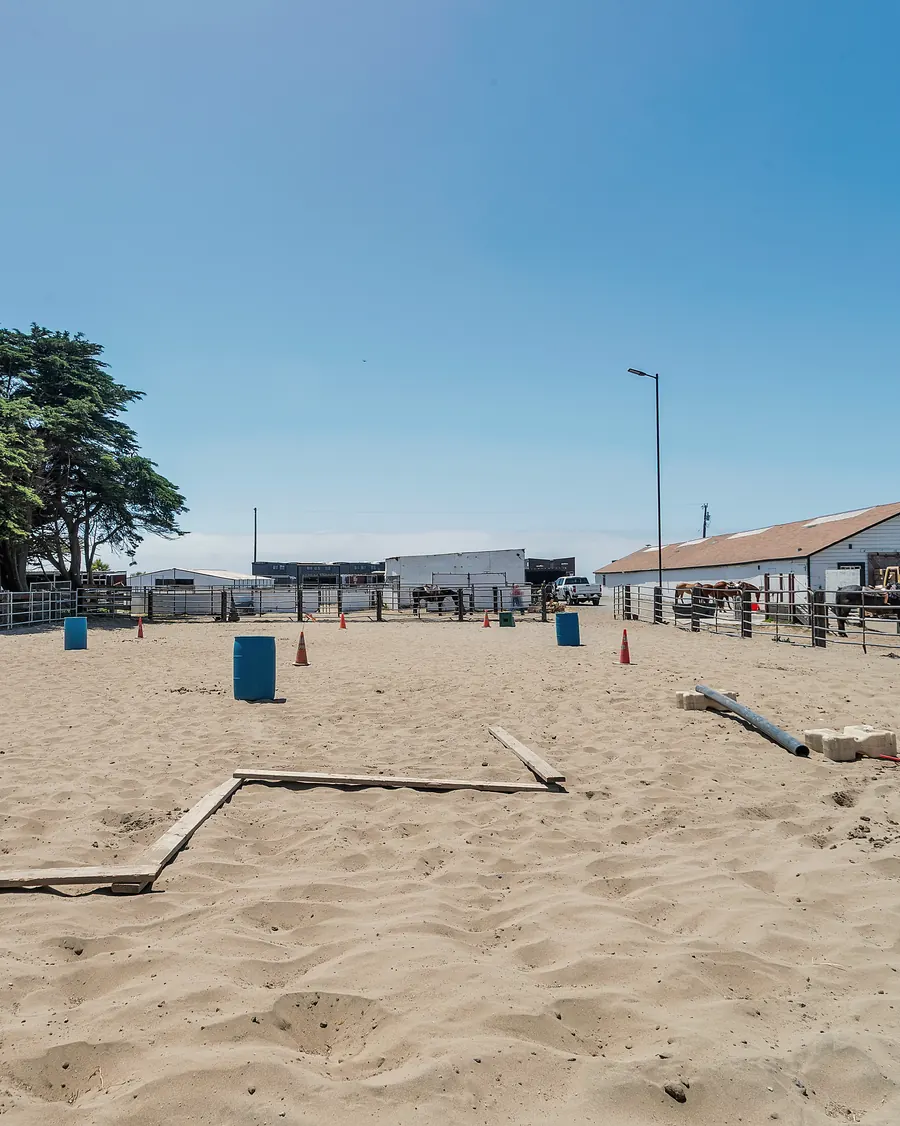
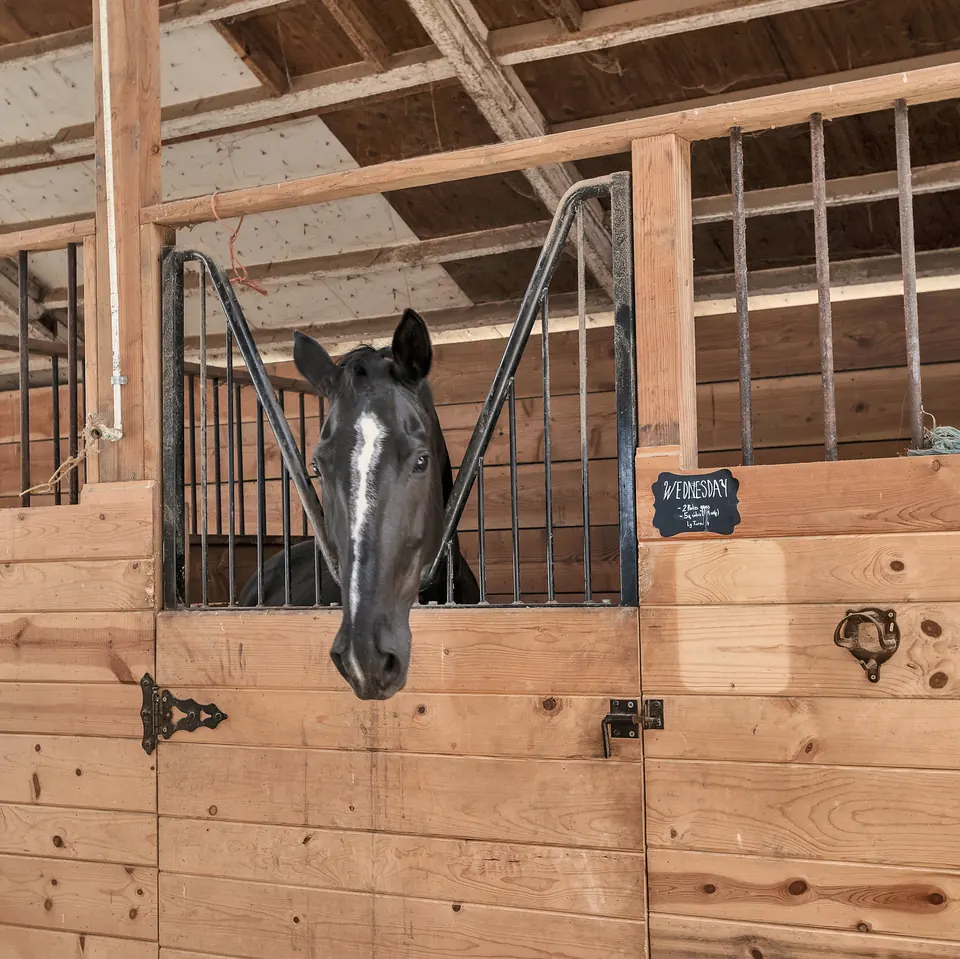
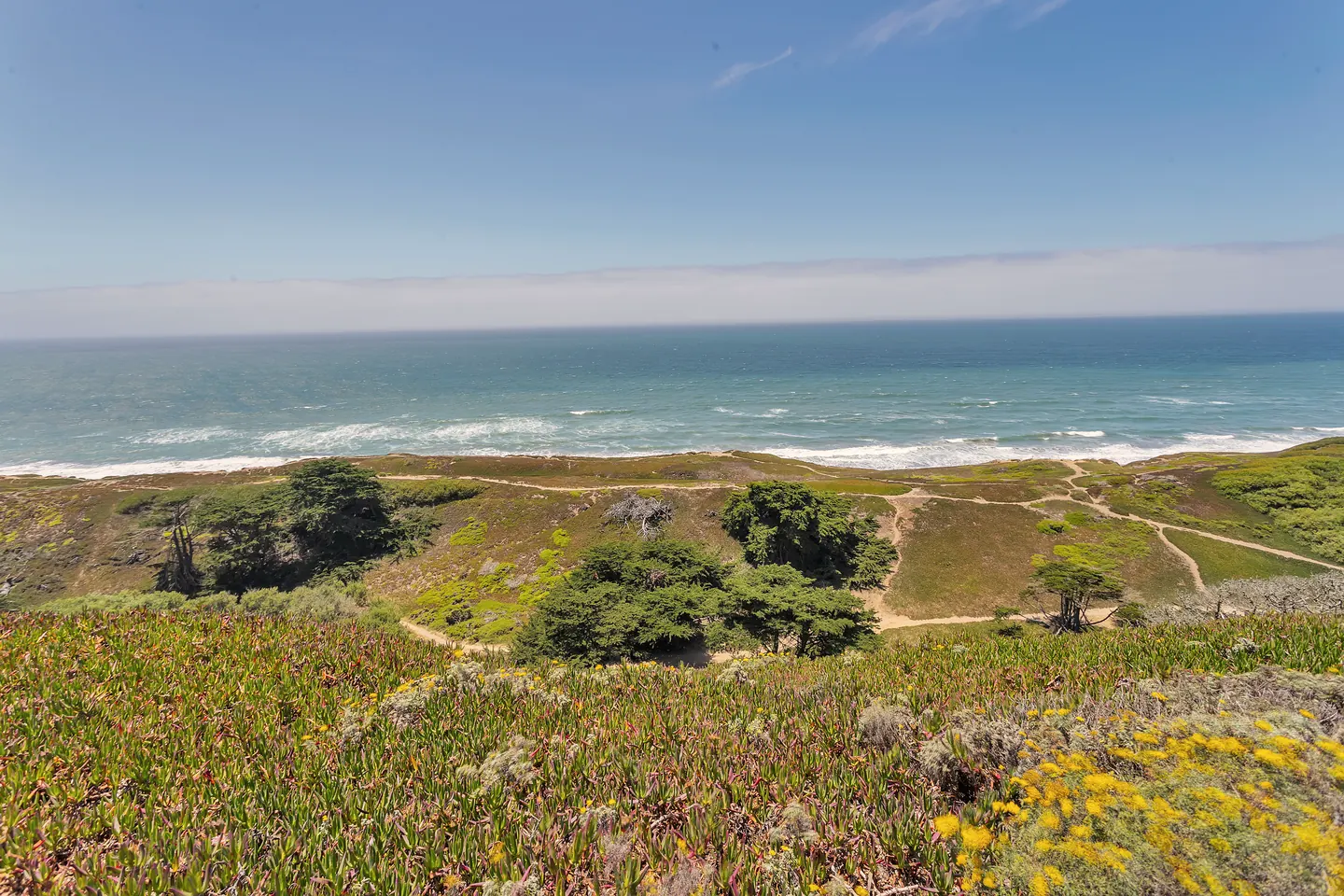
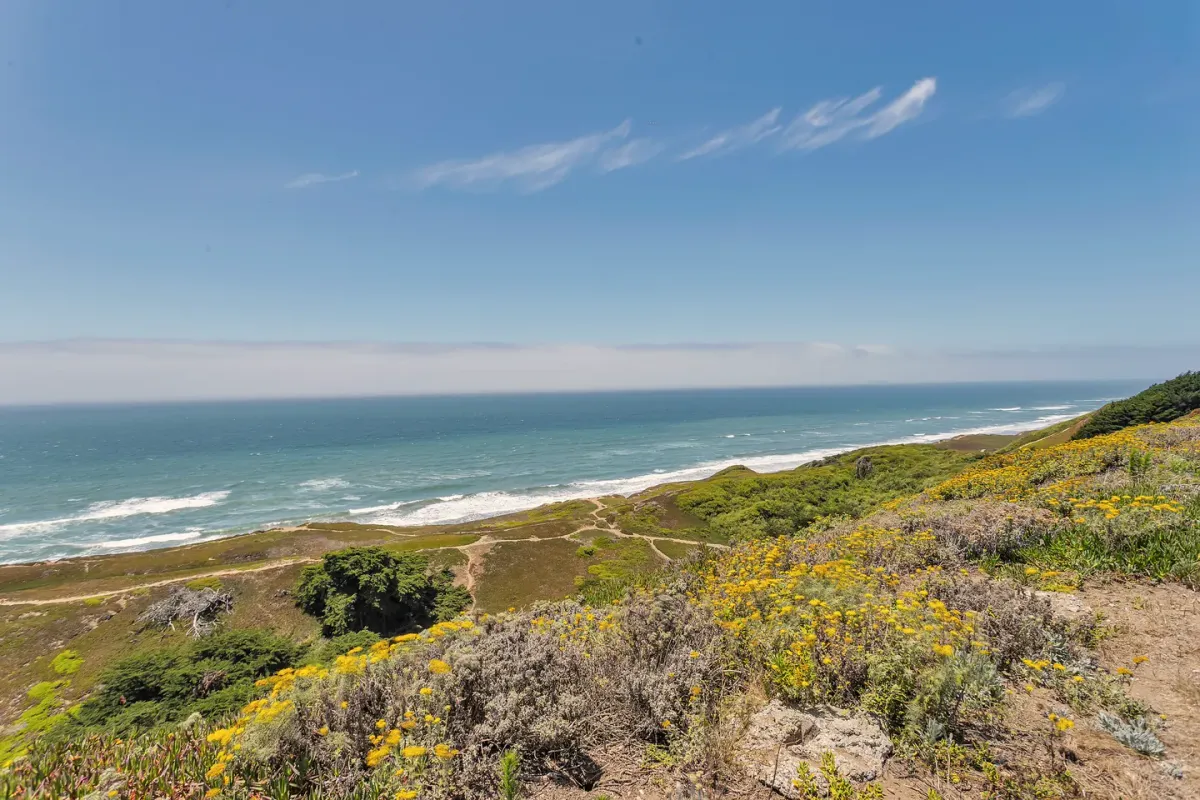
Photographs show Ocean View Stables in Daly City and the horses that live there.
Safety and ethics Report a concern Privacy and cookies Terms of Service
Copyright 2026 Saved by the Saddle.