Where We Stand Today
The Work Ahead
Saved by the Saddle is newly launching. Our first cohort has not started, so there are no results to report yet. This page is what we intend to do, how we will measure it, and how to be part of the first group through the gate.
Who We Are
Healing horses. Healing people.
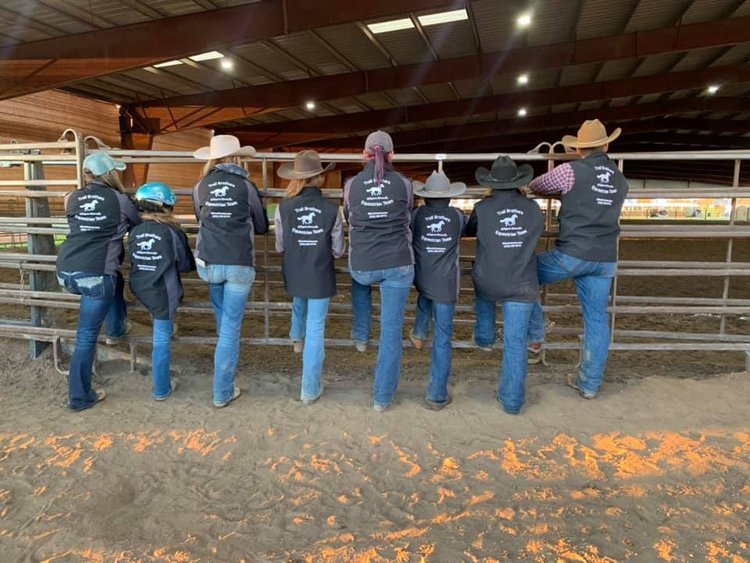
Saved by the Saddle rescues at-risk horses and partners them with inner-city youth and military veterans through calm, ground-based horsemanship programs at Ocean View Stables in Daly City, California. Healing horses. Healing people.
The Foundation is the newly formed 501(c)(3) being created to take full ownership of that work. It is not starting from nothing. Two things already exist at Ocean View Stables: veterans ride free there today, and the horsemanship we teach is based on the established Leyden Horsemanship program.
Our Intent
What we intend to change, and for whom
Three groups, one barn, and a set of commitments we expect to be held to.
For young people
A place where showing up matters and the work is real. Young people from inner-city neighborhoods will learn to handle a horse from the ground, take responsibility for an animal that depends on them, and practice staying calm when something goes wrong.
For veterans
Quiet, unhurried time with horses, at each person's own pace. These are non-clinical programs and we say so plainly. Veterans already ride free at Ocean View Stables; the Foundation is building a structured program around that open gate.
For horses
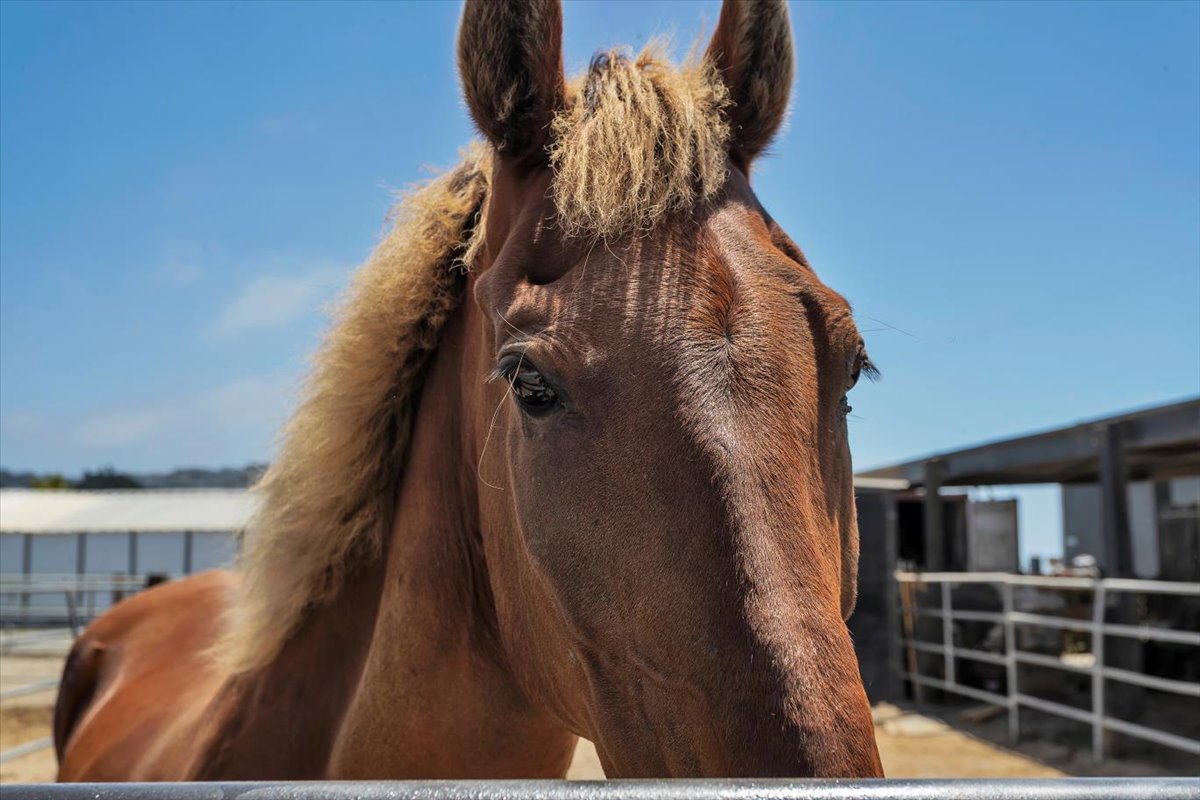
At-risk horses will get patient rehabilitation, steady handling, and a job they are suited to. A horse that is not ready to work with people is not asked to. That is a standard we intend to keep even when it is inconvenient.
Where It Happens
On the bluff above the Pacific
Ocean View Stables sits on the coast in Daly City, California. The barn, the arena, and the trails are already here. The Foundation's work starts with them.
Measurement
How we will measure it, honestly
We are setting this up before the first cohort, so the method is fixed before we know whether the answers flatter us.
Count only what we can count
Sessions held and sessions missed. People who started and people who finished. Horses in our care and their condition. Recorded per cohort, as it happens, not reconstructed afterwards.
Ask the people in the program
Plain questions at the start and at the end, answered in their own words. Nothing is published without consent, and no one is identified who does not want to be.
Report what did not work
A cohort that goes badly is still a cohort we report on. We would rather publish a difficult year than a flattering guess.
The Horses
The horses come first
Before a horse takes part in any session it gets time, steady handling, and veterinary care. A horse that is not ready to work with people will not be asked to. We are setting that standard now, before the first cohort, so it is not up for negotiation later.
What the Research Shows
Why we believe this will work
The Foundation has no results of its own yet, and none of the numbers below are ours. They are published findings about programs like the ones we are building, measured by other people.
63
veterans with PTSD completed an eight-session program in an open, uncontrolled trial at Columbia University, the first university-led study of equine-assisted therapy for veterans with PTSD. About half (50.8%) showed a clinically significant reduction in PTSD symptoms at the end of treatment, and 54% still did three months later. Depression symptoms also improved on average. There was no control group, so the researchers describe the approach as safe and feasible and call for randomised controlled trials.
Fisher PW et al., Journal of Clinical Psychiatry, 2021;82(5):21m14005
1,009
young people across 16 controlled studies: a meta-analysis found a statistically significant overall psychosocial benefit of medium size for youth in equine-assisted programs (d = 0.535, 95% CI 0.35 to 0.73, p < .001). Self-esteem and depressive symptoms, measured separately, were not significant.
Fuller-Lovins S et al., Adolescent Research Review, 2023;8:495-506
71,288
children and adults took part in equine-assisted services at PATH Intl. member centers in 2023, including 7,427 veterans, across all 50 states, Washington D.C., US territories and 21 other countries. Self-reported by the 683 member centers that filed statistics. This field is established; we are joining it, not inventing it.
PATH Intl. Fact Sheet 2024, data valid as of 31 December 2023
25,128
American horses were exported to Mexico and Canada for slaughter in 2025, about 24% more than in 2024 and the highest total since 2020, reversing a decade of decline. Every horse we take in is one fewer at risk of entering that pipeline.
Animal Welfare Institute, from USDA NASS and Statistics Canada data, 2025
We will not borrow these numbers as our own. When our first cohort finishes, we will measure our results with the method above and publish them here, whatever they say.
Accountable
We show our numbers when we have numbers to show
Accountable is one of our values, and it is the reason this page reads the way it does. We show our numbers, our protocols, and our methods. Right now the honest answer is that the Foundation has not run a cohort, so there is nothing to show.
You will not find estimates presented as results, projections dressed up as history, or figures borrowed from other organizations on this site. When the first cohort finishes, its numbers will appear here, whatever they say.
What we will publish
Who each cohort served, and how many finished
Sessions delivered, and sessions we had to cancel
The horses in our care and how they are doing
Where the money went, once there is money to account for
Our safety protocols, and any incident that occurs
Get Involved
Be part of the first cohort
The people who join now shape how this program runs from the first day.
Join a program
If you are a veteran, or a young person or family in the area, tell us and we will walk you through what the first cohort will look like and when it opens.
Volunteer at the barn
The horses need daily care whether or not a cohort is running. Our first volunteer intake is opening now, with training and orientation provided.
Partner with us
Schools, veteran service organizations, rescues, and local businesses: if your work touches ours, we would like to hear from you before we open.

Help us open the gate
Hay, farrier visits, insurance, and trained staff all have to be in place before the first participant arrives. Your gift is what makes the first cohort possible.