
Calm leadership, consent, no force, no fear
Every Saved by the Saddle program is taught from Leyden Horsemanship: the established horsemanship program at Ocean View Stables in Daly City. It is a natural horsemanship-based approach rooted in respect, communication and relationship.
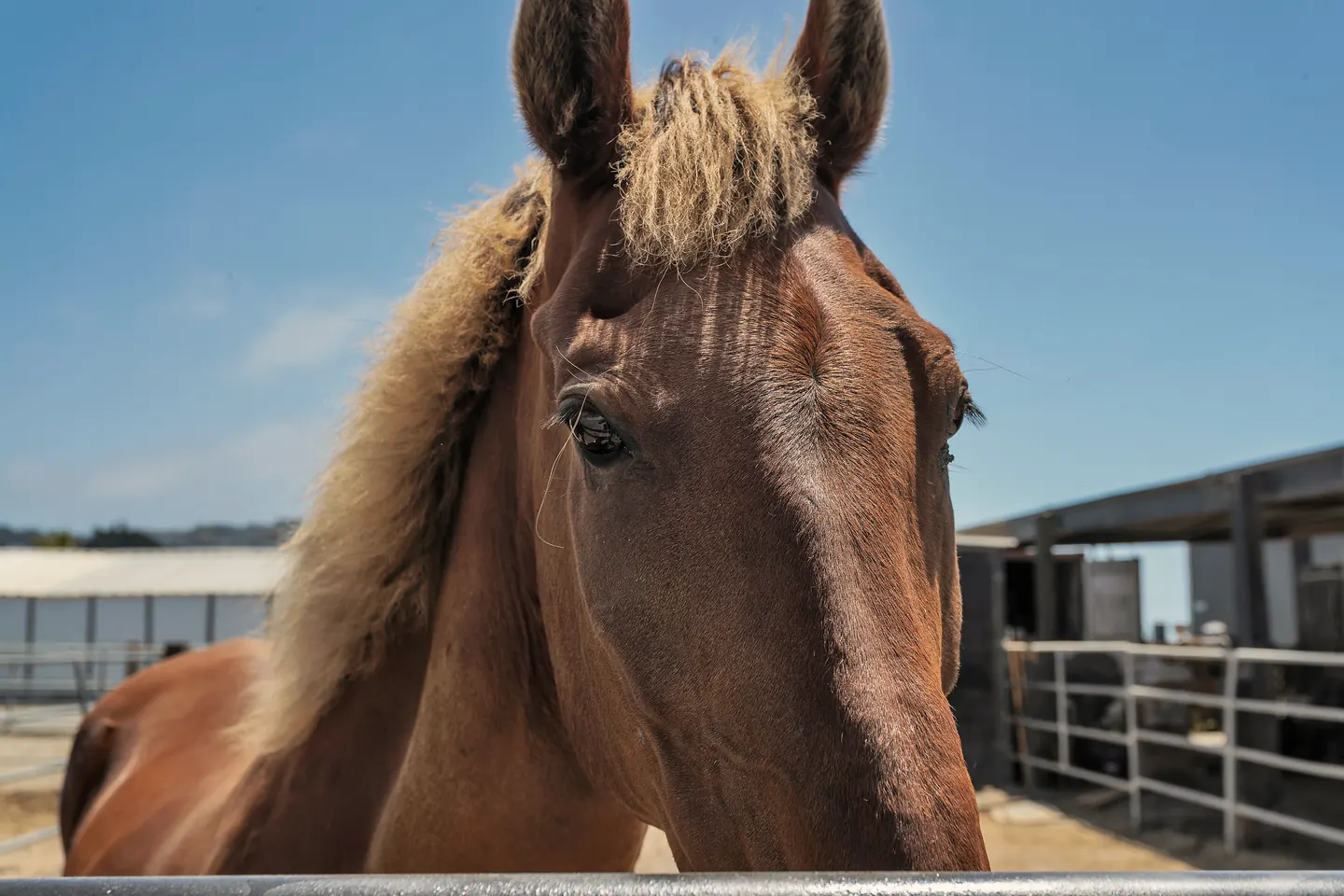
Honest, sensitive and present.
Not a new idea, an established one
Saved by the Saddle is new, but the horsemanship is not. Leyden Horsemanship is already taught at Ocean View Stables, and Saved by the Saddle's programs teach from it: the same approach with horses, applied to how we work with people.
Listening, timing and mutual respect
Natural horsemanship is a relationship-based approach to working with horses. Rather than relying on dominance, punishment or mechanical pressure, it focuses on listening, timing and mutual respect.
Understanding communication. Learning how horses communicate through body language, energy and subtle cues.
Working with instincts. Partnering with a horse's natural instincts rather than overriding them.
Clear, calm presence. Using clear, calm, non-forceful communication that horses understand.
Trust through consistency. Building trust through consistency rather than control or dominance.
Five principles that carry into everything we run
Leyden Horsemanship builds on the principles of natural horsemanship while emphasizing calm leadership, consent and emotional awareness.
Presence before performance
We value awareness over outcomes. Horses respond to what we bring into the moment: our breath, posture, energy and intention.
Consent and choice
Both horses and people are given choice. Participation is never forced. Trust grows when choice is respected.
Consistency builds trust
Clear routines, predictable cues and calm repetition create safety, for horses and humans alike.
Pressure with purpose
When pressure is used, it is minimal, thoughtful, and always released the moment the horse responds. That teaches communication, not submission.
No force, no fear
We do not use intimidation, punishment or fear-based methods. Safety and dignity come first.
How this philosophy shapes the programs
For horses
Horses are partners, not tools
Each horse progresses at their own pace
Stress signals are respected immediately
Horses may step away from sessions at any time
For participants
No prior horse experience required
Groundwork for everyone, riding only by choice where it is offered
Learning happens through observation and experience
Reflection is invited, not demanded
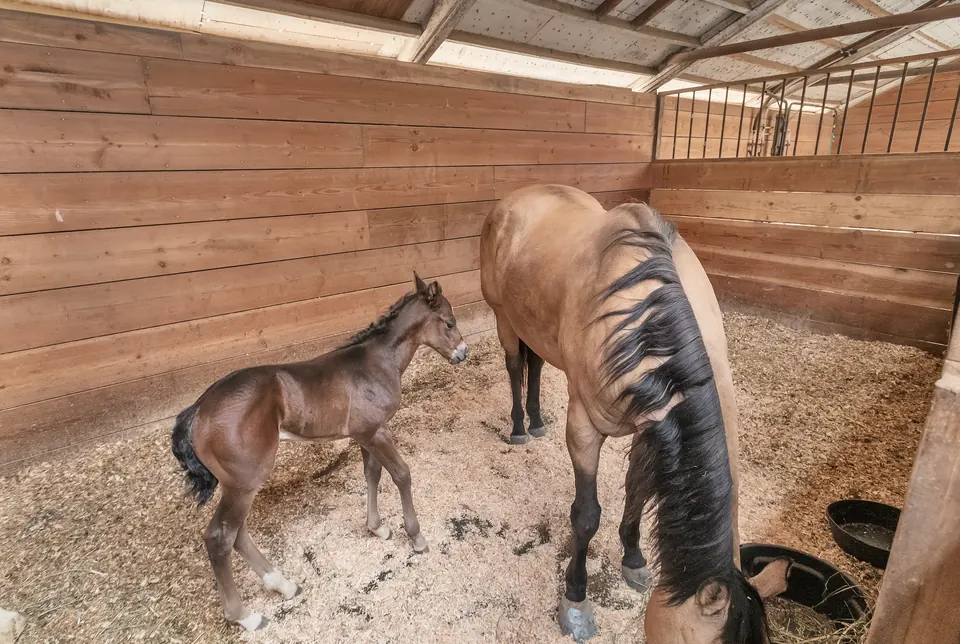
Watching is part of the lesson
Leading, standing, grooming, waiting. The quiet work on the ground is where a horse learns what to expect from the person in front of it, and where a person learns to be worth trusting.
Participants spend as much time watching from the rail as they do working. Learning happens through observation and experience, not instruction alone.
Where a program includes riding, the same principles carry into the saddle, and riding is always the rider's choice.
Saved by the Saddle does not
Use fear-based training
Force participation
Rush outcomes
Promise clinical results
See it in practice.
The horsemanship comes to life in the programs at Ocean View Stables.
Help build it properly.
Gifts fund free sessions, the training and safety work behind them, and the groundwork for a rescue program done right.
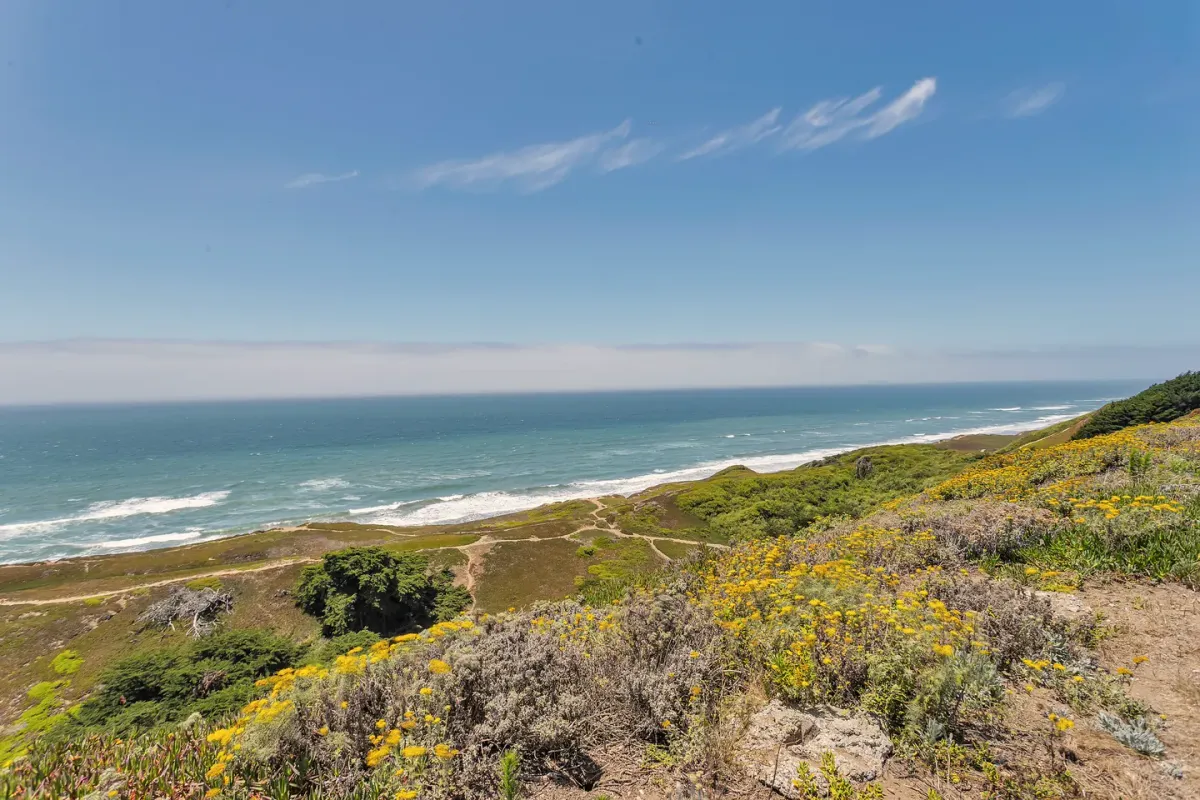

Healing horses. Healing people. Creating second chances.
2152 Olympic Way
Daly City, CA 94015
Saved by the Saddle is a California nonprofit public benefit corporation organized for charitable and educational purposes under Section 501(c)(3) of the Internal Revenue Code, EIN 41-3846131. It is a separate legal entity from Ocean View Stables, a privately owned business, and operates at Ocean View Stables under a written facilities agreement. Donations to Saved by the Saddle fund its charitable programs only and are not used to support or improve the private business.
Photographs show Ocean View Stables in Daly City and the horses that live there.
Safety and ethics Report a concern Privacy and cookies Terms of Service
Copyright 2026 Saved by the Saddle.