Every Horse Has a Story
Horse Rescue & Rehabilitation
Ocean View Stables has saved many horses over the years. Saved by the Saddle is being created to take full ownership of that work and keep it going: individualised care, patience, and dignity. Never force.
Where This Comes From
A legacy the Foundation is built to carry
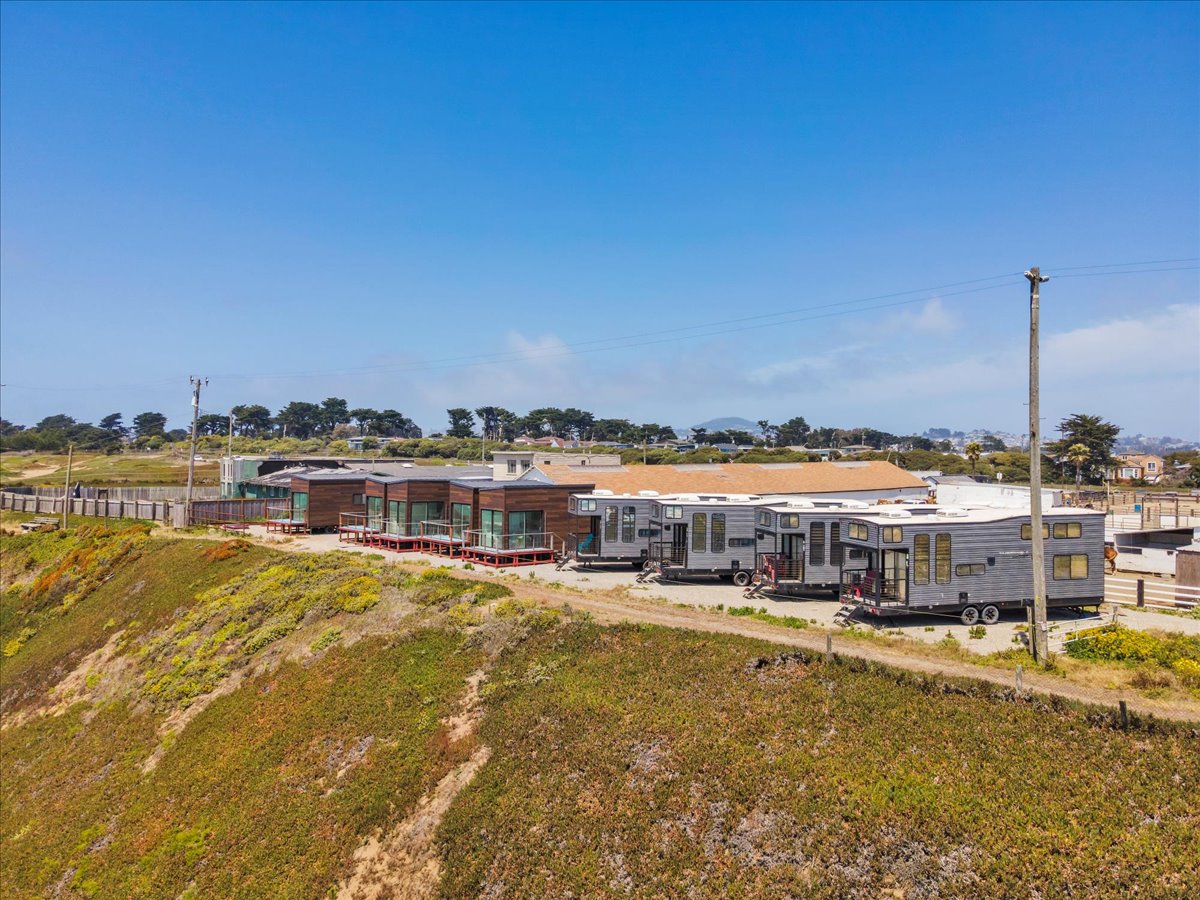
For years, horses in need of safety, care, and patience have found their way to Ocean View Stables in Daly City, California, and many have been saved there: taken in, brought back to health, and given time.
That work happened quietly, without a nonprofit name attached to it. The Foundation is being created to take full ownership of that legacy: to give it a board, dedicated funding, and written standards, so the work no longer depends on goodwill alone.
We don't believe in one-way rescue. A horse we take in is not a project to be fixed; in time, and only if it suits them, they become a partner in the work, offering something no manual can provide: honest, non-judgmental presence.
Rehabilitation happens at Ocean View Stables, 2152 Olympic Way, Daly City, California, in the hills above the Pacific, where the salty air and coastal fog make for a quiet place to settle.
Horses and People
They helped build the world we live in
Before engines, there were horses. They broke the ground our farms still stand on, hauled the freight that built our cities, pulled the streetcars and the fire wagons, and carried the mail, the police, and the soldiers. For most of history, nearly everything that moved, moved because a horse moved it.
The machines came, and the work went to them. The horses stayed. What did not stay was the arrangement that gave every horse a place, a job, and a person responsible for it.
Today, when a horse's working or riding life ends, too many fall through the gaps: the auction pen, the shipping channels, the back paddock nobody visits. It is rarely anyone's cruelty. It is usually everyone's assumption that someone else will step in.
An animal that spent generations working alongside people has earned better than that. Rescue is not charity extended downward; it is a debt honored.
Above the Pacific
Time, and room to use it
Rehabilitation happens at Ocean View Stables in Daly City, in the hills above the coast, at whatever pace the horse sets.
Why It Matters
What one second chance does for the whole horse community
Rescue is often pictured as one horse, one story. Its effects reach further than that.
Relief where it is needed
An owner who can no longer afford or manage a horse has somewhere to turn besides the auction pen. Every responsible intake takes weight off overburdened owners, overfull rescues, and the auction pipeline itself.
Second careers, real ones
Rehabilitated horses do not disappear into aftercare. They go on to second careers, to program work, or to sanctuary, and each one makes room for the next horse in need.
Proof, every time
Every horse brought back to health is evidence that a horse's story is not over when its usefulness seems to be. That proof changes how people treat the horses they own.
That is why a second chance at life is worth the feed bills, the vet visits, and the slow months: it restores one horse, and it raises the standard for all of them.
One at a Time
The horse in front of us
Every intake will start with the same question: what does this particular horse need first? Condition, history where it is known, and what can wait.
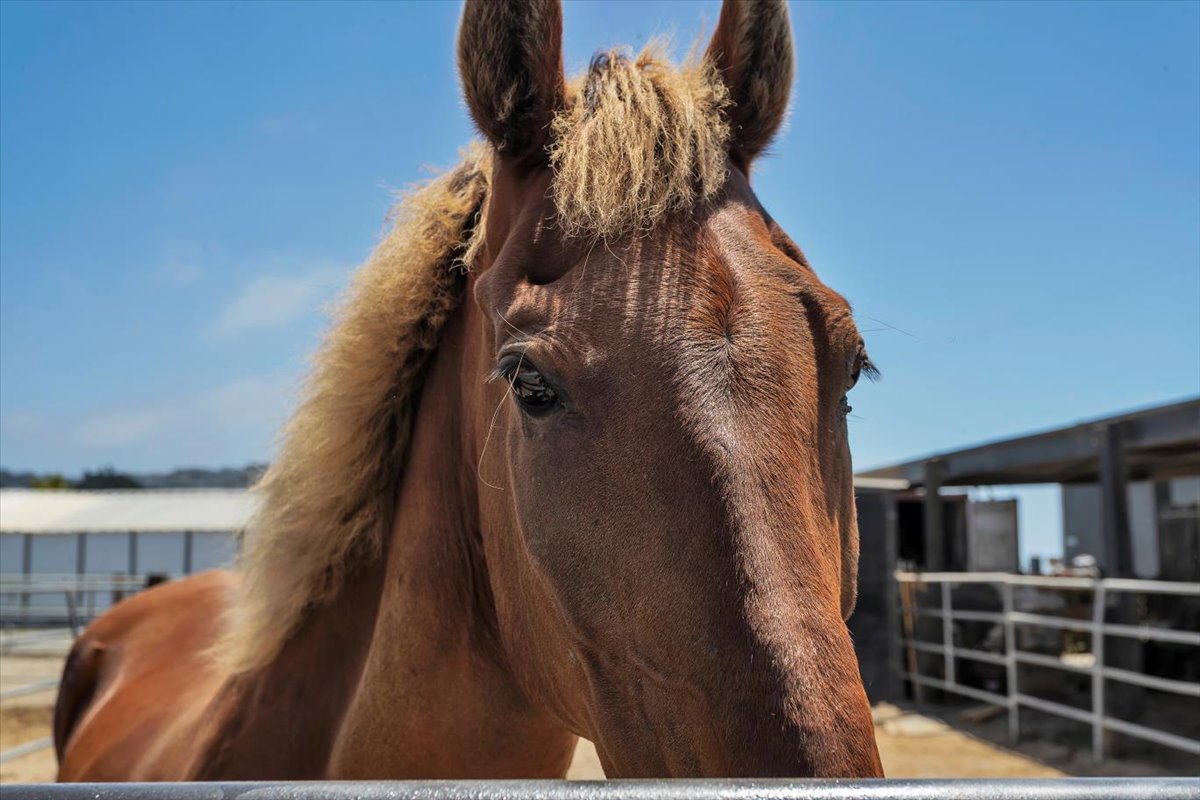
Intake and Rehabilitation
The protocol we are putting in place for when a horse arrives, in the order it will happen.
01
Comprehensive Intake Assessment
We start by understanding the horse in front of us: condition, history where it is known, and what they need first.
02
Veterinary and Farrier Care
Medical and hoof care come before anything is asked of the horse.
03
Behavioral Rehabilitation
Safety, consistency, and calm repetition. Stress signals are respected immediately, and a horse may step away from a session at any time.
04
Thoughtful Integration Into Programs
Only when appropriate, and only when the horse is ready. Each horse progresses at their own pace.
On Arrival
Somewhere quiet to start
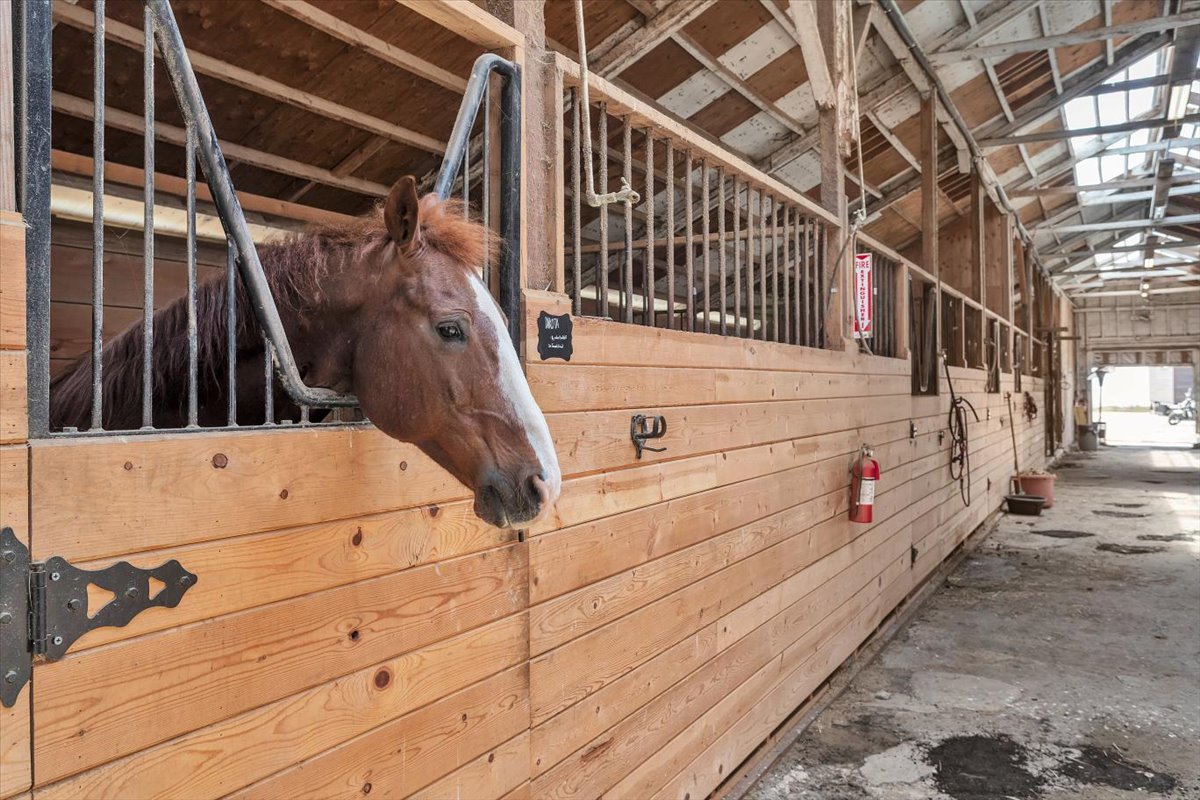
A new arrival needs a stall of their own and a stretch of quiet aisle: somewhere to be watched, fed, and otherwise left alone until they are ready for more.
Our Commitment
What every horse who comes into our care will be entitled to, for as long as they are with us.
Humane, ethical care
Rehabilitation at the horse's pace
Sanctuary for non-adoptable horses
Lifelong respect, regardless of ability
How we work with horses
- Horses will be treated as partners, not tools
- Each horse progresses at their own pace
- Stress signals are respected immediately
- Horses may step away from sessions at any time
Before the First Horse
What Has to Be Ready First
The Foundation has not taken in a horse of its own yet. Taking one in badly would be worse than not taking one in at all, so these four things come first.
Veterinary and Farrier Cover
A vet and a farrier on call before intake, not after. Hoof and dental care are the first bills a neglected horse brings.
Space to Settle
Somewhere quiet at Ocean View Stables where a new arrival can be kept separate, watched, and left alone until they are ready.
A Written Intake Standard
The assessment, the care plan, and the point at which we say no. Written down before the first horse, so it is not decided under pressure.
Funding That Outlasts the Rescue
A horse is a decade or more of feed and care. We will not take on a horse we cannot keep.
Afterwards
What Happens to the Horses
Some horses will become available for adoption to qualified homes. There will be a thorough screening process, because a good match matters more than a fast one.
Some will not be adoptable, because of age, health, or behavioural needs; they will live out their lives in our sanctuary. That is not a lesser outcome. Lifelong respect applies regardless of ability.
Others will become partners in our youth and veteran programs, where their honesty and presence do work that words cannot.
Important Notes
- Rescued horses will never be treated as tools
- They are partners in the work, not equipment for it
- Adoption available for suitable homes
Common Questions
If your question isn't here, get in touch and we'll answer it plainly.
In time, yes. Some horses will become available for adoption to qualified homes, through a thorough screening process. Others will not be adoptable because of age, health, or behavioural needs, and they will live out their lives in our sanctuary. No horse is in the Foundation's care yet, so there is nothing to adopt today.
We plan to host community open days once the program is running, where the public can visit, meet the horses, and learn about the work. Drop-in visits will not be available: the programs are sensitive and horses need routine. Nothing is scheduled yet; get in touch and we'll tell you when it is.
We are looking for volunteers who can commit to regular shifts: we are asking for a minimum of four hours a week for three months. Volunteers will help with horse care, facility maintenance, and program support. Everyone will complete an application, a Live Scan background check through the California Department of Justice, mandated reporter training, and horse handling training before they start.
Donations pay for horse care, meaning feed, veterinary work, and farrier work, and for the cost of getting the programs standing. We are a newly launching 501(c)(3) and do not yet have a full year of accounts, so we are not going to quote you a split we cannot back up. We will publish an annual report as soon as there is one, and until then we will answer any question about our finances directly.
Second Chances Take Time
Feed, veterinary care, and farrier work start the day a horse arrives and carry on whether or not that horse is ever ready for a program. Your gift is what lets us keep the gate open.