Barn Crew: Horsemanship for Youth
Monday, November 16, 2026 · 4:00pm to 7:00pm · Free


Real barn work, real horses, and a job that matters by the end of the afternoon.
Twice a month we hand the barn over to a crew of young people. This is not a pony ride and it is not a tour. The horses need feeding, the stalls need mucking, the water needs checking, and the tack needs cleaning. The crew does that work alongside our staff, and in between they learn how to read a horse, how to move around one safely, and how to get a thousand-pound animal to trust them.
Kids who have never been told they are good at something are often very good at this. The horse does not care about their grades, their address, or their record. It responds to how they carry themselves, and that is a lesson that lands harder than anything an adult can say.
Hosted by Karl Watson, Founder and Executive Director of Saved by the Saddle. Meet your host
What the Crew Does
- Feeding, watering, and hay
- Mucking stalls and fresh bedding
- Grooming, hoof picking, and turnout
- Cleaning tack and putting the barn right
- Groundwork and horsemanship instruction: leading, halting, reading a horse's body language
- Meeting the rescued horses and hearing how each one got here
When and Where
- Two sessions a month, 4:00pm to 7:00pm
- The third Monday of every month
- Plus a first-of-the-month session that alternates between Monday and Saturday, so a weekday is not the only way in
- The date at the top of this page is the session you are booking
- Ocean View Stables, 2152 Olympic Way, Daly City, California
- Free parking on site, and room for a van or small bus
Free, no cost to families or schools
An Adult Comes Too
Every young person at these sessions must be accompanied by a responsible adult who stays for the whole session. That can be a parent, a teacher, a counselor, a case worker, or a youth program staff member.
Who can sign a crew up
- Schools and after-school programs
- Counselors, social workers, and case managers
- Parents and guardians
- Youth and community organizations
What to Wear and Bring
- Closed-toe shoes or boots. No sandals, no exceptions. If footwear is a barrier for a young person in your group, tell us and we will sort it out.
- Clothes that are allowed to get dirty, because they will
- Long pants
- A layer for the evening. It cools off fast this close to the water.
- A water bottle
Good to Know
- No horse experience needed. We teach everything on the day.
- There is no riding at these sessions. All of the work happens on the ground.
- Twelve young people per session, so a large group may need to split across two dates.
- Every young person needs a signed waiver from a parent or guardian before they start.
- Tell us in advance about anything that affects how a young person works safely around a large animal, and we will plan for it.
Why We Do This
Most of our horses arrived needing someone to show up for them. Putting those horses in front of young people who could use the same thing is the entire point of this foundation. The work is honest, the animal is honest, and three hours of it changes how a kid walks out of here.
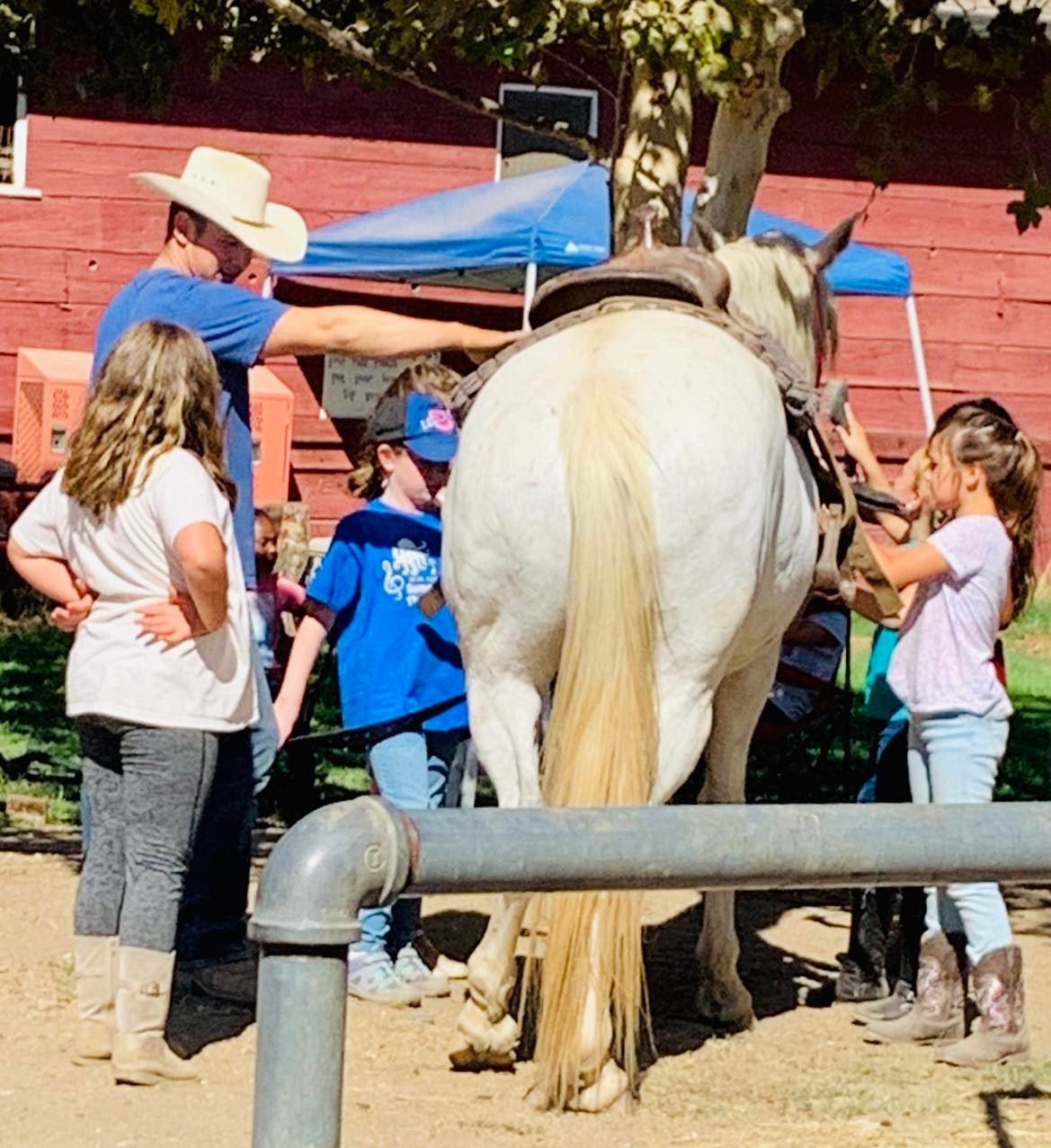
Hands on a horse
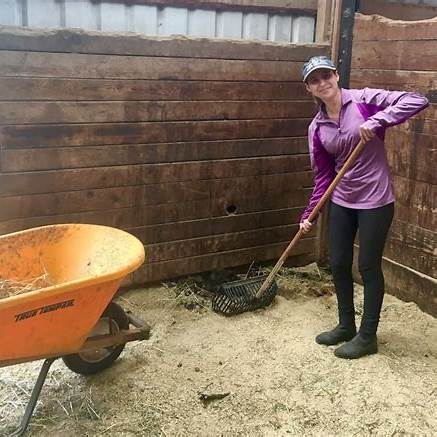
The work is real
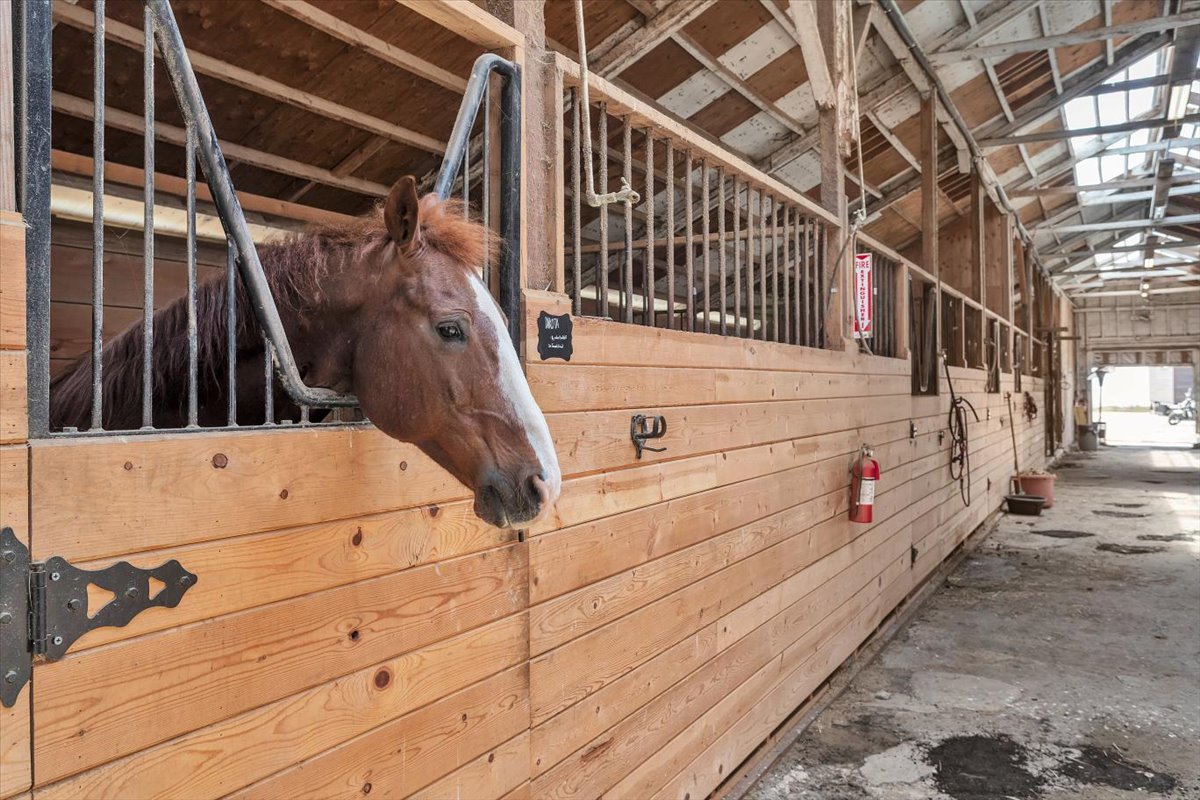
The barn the crew runs